




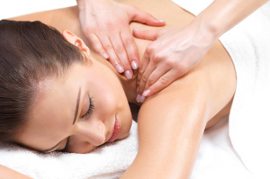
Build practical skills for a career centred on working directly with people.
Massage therapy combines an understanding of the human body with careful observation, communication, and hands-on treatment skills. If you’re interested in how muscles and joints work—and you like the idea of spending your workday helping clients—massage therapy schools in Canada offer a place to begin exploring that interest.
Depending on the program, your studies may include anatomy, physiology, assessment, massage techniques, and professional practice. When comparing schools, look closely at supervised clinical training: how much experience you’ll gain, who will guide you, and which clients you’ll have opportunities to work with.
There’s a career outlook to consider, too. The Government of Canada projects approximately 20,700 massage therapist job openings from 2026 to 2035, including openings from growth and the need to replace workers leaving the occupation.
Explore the massage therapy schools in Canada below to compare program lengths, admission requirements, and clinical learning opportunities. Ask each school how its training aligns with the requirements where you plan to practise, so you can choose a program with your next steps in mind.
Massage Therapy Schools
Sponsored Listings

triOS College
Brampton, Ontario,
Hamilton, Ontario
Kitchener, Ontario
London, Ontario
Mississauga, Ontario
Toronto, Ontario
Windsor, Ontario
- Massage Therapy

Eastern College
Fredericton, New Brunswick
Moncton, New Brunswick
Saint John, New Brunswick
Halifax, Nova Scotia
- Massage Therapy
CTS Canadian Career College
North Bay, Ontario
Sault Ste. Marie, Ontario
Sudbury, Ontario
- Massage Therapy

What to Know About a Massage Therapy Career in Canada
This vocation is full of caring and fascinating people. And it offers a lot of possibilities for growth—both personal and professional. But here are three other important things to know as you consider a career in the massage therapy field:
1. Massage Therapy Is a Profession With Specific Qualifications
Becoming a massage therapist involves more than learning a set of massage techniques. In Ontario, for example, students complete a two- to three-year diploma, then pass certification examinations and register with the provincial regulator before practising. Both “Massage Therapist” (MT) and “Registered Massage Therapist” (RMT) are protected titles there and indicate the same registration status.
The setting doesn’t tell you someone’s qualifications. RMTs work in health spas as well as private practices, rehabilitation centres, and multidisciplinary clinics. Their work can include assessment, hands-on treatment, therapeutic exercise, and patient education.
If you’re considering enrolling in a massage therapy program, the next step is to check the rules where you want to work. Contact the provincial regulator before enrolling to confirm which education and registration requirements apply.
The following provinces regulate massage therapy:
- British Columbia – Regulated by the College of Complementary Health Professionals of BC (CCHPBC)
- New Brunswick – Regulated by the College of Massage Therapists of New Brunswick (CMTNB)
- Newfoundland and Labrador – Regulated by the College of Massage Therapists of Newfoundland and Labrador (CMTNL)
- Ontario – Regulated by the College of Massage Therapists of Ontario (CMTO)
- Prince Edward Island- Regulated by the College of Massage Therapists of Prince Edward Island (CMTPEI)
2. The Work Involves More Than One Massage Technique
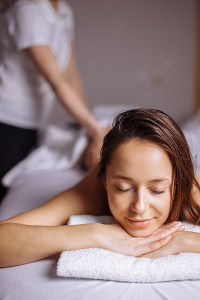
Massage therapy includes a range of techniques. As a result, an MT can choose to specialize in the ones that he or she enjoys performing most. But even though such a wide variety of techniques is practiced throughout the world, a few stand out for their popularity. They include:
- Swedish massage—This is the type that people tend to be most familiar with. It’s used a lot for relaxation since it’s associated with a combination of long strokes, circular movements, and kneading.
- Deep tissue massage—This form targets strained muscles and incorporates a lot of pressure and shortened strokes to help relieve chronic musculoskeletal pain or posture issues.
- Shiatsu—Used widely in Japan for relieving pain and stress, this type involves applying pressure with the fingers and thumbs on many of the same points of the body targeted in acupuncture and acupressure.
- Sports massage—Many athletes make this a part of their training and competition routines in order to help prevent injuries and assist with post-event recovery.
- Thai massage—Originally used in India, this type is known for the stretching of clients into positions similar to those found in yoga. It can also involve having your back walked on, your knuckles cracked, and your ears, toes, and fingers pulled on.
- Reflexology—Also called zone therapy, practitioners of this form believe that a person’s hands, feet, and ears have pressure points that can be stimulated to promote health or pain relief in different parts of the body, including many organs.
- Hot stone massage—This is frequently performed in conjunction with other types since it is believed to aid with relaxation and circulation. Smooth stones are heated to a tolerable temperature and placed on the backs and shoulders of clients.
3. Therapeutic Massage Offers Exceptional Wage Potential
Job Bank lists median annual earnings of $32,867 for massage therapists in Canada, based on the 2021 Census. Because many practitioners are self-employed, Job Bank reports earnings annually rather than hourly. This figure should not be confused with the fees a therapist charges clients: for unincorporated self-employed practitioners, the earnings measure includes net business income after expenses. But it’s not unheard for an RMT to earn more, especially since a career in this field can go in so many prosperous directions.
Of course, even if you choose to work for someone else, you can explore many different possibilities. With massage therapy increasingly being sought-out, potential places of employment now include:
- Private clinics
- Physiotherapy and rehabilitation centres
- Long-term care residences
- Hospitals
- Chiropractic clinics
- Medical spas
- Athletic training facilities
- Community health care clinics
- Corporate offices (especially in the technology and finance sectors)
- Massage therapy schools
This growing popularity of this field is easy to understand. Massage therapy can help reduce stress, relieve pain, and contribute to alleviating anxiety and depression. And, it is increasingly covered by many employer benefits and extended medical plans.
What that means for you is this: You have the potential to create a career in which you get paid well to do work you feel good about. What could be more satisfying than knowing that you contribute to the wellness of people in your community each day? A therapeutic massage can give a person the boost of vitality needed to tackle important challenges in his or her life.